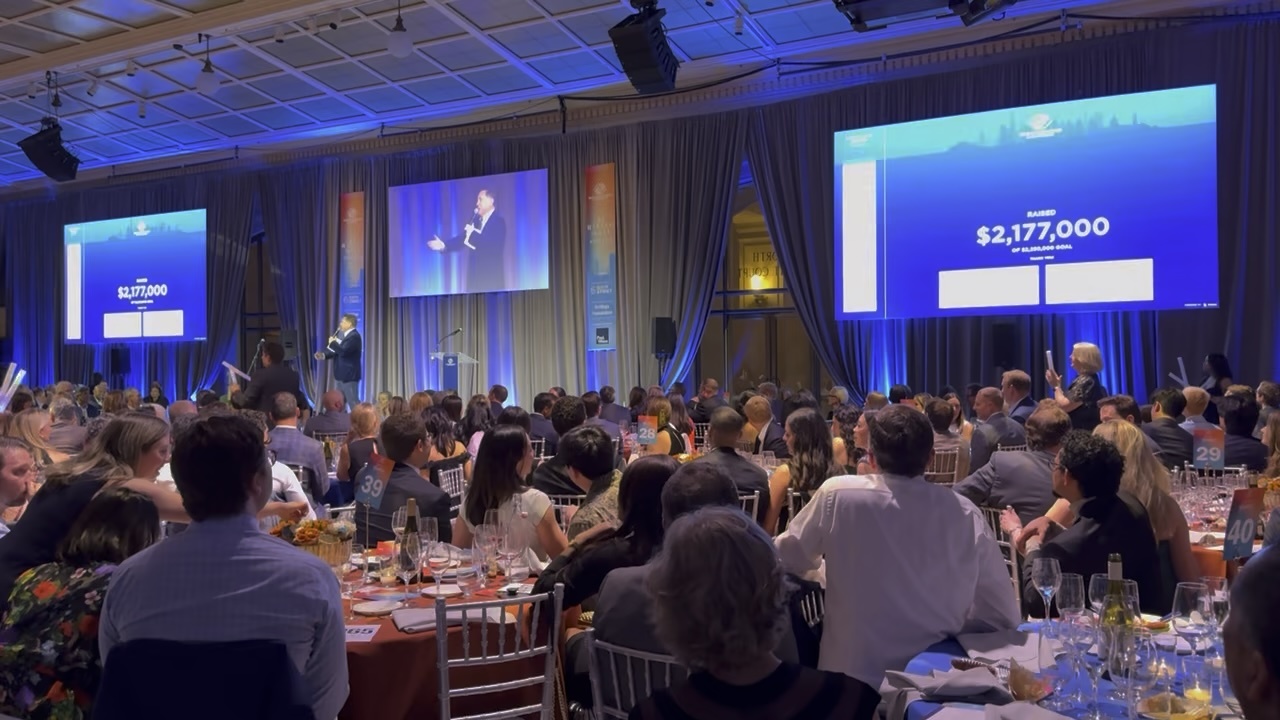
Major Gift Fundraising: How to Find, Cultivate, and Secure Large Gifts


Major gift fundraising is the practice of building personal relationships with a small group of donors who can give significantly more than your typical supporter, and asking them for gifts that matter to your budget. It is slower and more personal than email or event fundraising, and it is built on conversations, not campaigns.
What is a major gift?
There is no universal dollar amount. A major gift is a gift large enough to be meaningful to your organization, and each nonprofit sets its own threshold. For a small organization that may be $1,000. For a large university it may be $100,000 or more.
The usual way to set yours is to look at your own giving history. Sort your donors by lifetime giving and see where the gifts start to make a real difference to your budget. That number becomes the starting point for your major gifts program, and you can revisit it as you grow.
Why major gifts matter
In most nonprofits, a small share of donors account for a large share of the money raised. That is why many fundraisers talk about the 80/20 rule, the idea that roughly 80% of gifts come from about 20% of donors. [Source needed: cite a current benchmark, such as a Giving USA or Fundraising Effectiveness Project figure, before publishing.] The exact split varies, but the pattern holds: a few relationships carry a lot of weight.
Major gifts also tend to build on each other. A donor who has been thanked, kept informed and invited in is more likely to give again, and to give more. That is why major gift work and donor retention are closely linked.
How to build a major gift program
You do not need a large team to start. You need a clear goal, a short list of the right people, and a routine for staying in touch.
- Set a goal and a threshold. Decide how much you want to raise from major gifts this year and what gift size counts as major for your organization.
- Identify prospects. Start with your own data: your largest past donors, long-time repeat givers, board and volunteer connections, and anyone who has given more than once recently. Wealth screening tools can add to this list, but your own giving history is the best place to start.
- Qualify them. Look for three things: the ability to give, a connection to your mission, and some sign of interest. A short discovery conversation will tell you more than any database.
- Assign portfolios. Give each prospect an owner, whether that is a development director, an executive director or a board member, so no one is left unattended. Smaller teams often manage a portfolio of 20 to 50 donors. [Verify this range before publishing.]
- Cultivate. Move each donor along with personal contact: a call, a coffee, a site visit, an invitation to meet the people you serve.
- Make the ask. Ask for a specific amount for a specific purpose, in person where possible.
- Steward. Thank the donor quickly and personally, report on results, and keep the relationship going. Our guide to donor stewardship covers this stage in detail.
Cultivating donors and making the ask
Most major gifts come after several conversations, not one. Think of cultivation as a series of small, personal steps that help the donor see their own role in your work.
Start with discovery
The first meeting is for listening. Ask what drew them to your mission, what they care about most, and how they like to be involved. Take notes and record them right away, because the details you collect here shape every conversation after.
Keep moving the relationship forward
After each contact, decide on the next one. That might be a tour of your program, an introduction to someone you serve, or a short update on something they said mattered to them. Fundraisers call this moves management, but it comes down to always knowing what happens next with each donor.
Make a specific ask
When the donor is ready, ask for a specific amount for a specific purpose, and say how it will make a difference. Then stop talking and let them respond. A pause is normal, and it is often the donor thinking.
Handle hesitation as information
If a donor says no or not yet, ask what would make it a better fit. They may want a different project, a different amount, or more time. Treat the answer as part of the relationship, and keep in touch whether or not a gift follows.
Major gifts with a small team
A small team can run a real major gifts program by starting narrow. Pick 10 to 20 donors, assign each an owner, and commit to a regular rhythm of contact. A short list that gets real attention beats a long list that gets none.
A few habits make this manageable:
- Block time for it. Reserve a set hour each week for donor calls and notes, so major gift work does not get pushed aside by daily tasks.
- Involve your board. Board members can open doors, host small gatherings, and make introductions. Give them a short list of donors and a simple script.
- Track every conversation. A nonprofit CRM lets you record giving history, interests, notes and next steps in one place, so nothing depends on someone's memory. It also helps you spot donors who have gone quiet. [Confirm that this link and the product claims match the current platform.]
- Start from your existing donors. Your best prospects are usually people who already give. Review recent repeat donors and upgrade candidates before looking for new names.
Major gifts and capital campaigns
Major gift fundraising is an ongoing program. A capital campaign is a time-limited effort to raise a large amount for a specific purpose, such as a building or an endowment. The two work together: major gifts usually make up most of a campaign's total, and a strong major gifts program gives a campaign its first donors.
If you are planning a campaign, see our framework for a winning capital campaign for feasibility studies, case statements, committees and launch timing. [Update this anchor and link once that post is retitled.]
Major gift fundraising FAQ
What is considered a major gift?
A gift large enough to be significant to your organization. The amount differs for every nonprofit, so set your own threshold based on your giving history and budget.
What is the 80/20 rule in fundraising?
The idea that about 80% of donations come from about 20% of donors. It is a rule of thumb, not an exact figure, and it shows why a small group of donors deserves personal attention.
What are the stages of major donor fundraising?
Sources describe the stages differently, and there is no single standard. A common version is: identify, qualify, cultivate, solicit, and steward. Our seven steps above follow the same path.
Can a small nonprofit raise major gifts?
Yes. Start with a short list of your most committed existing donors, assign each an owner, and build a routine of personal contact. You do not need a large team or a wealth screening budget to begin.
How long does it take to secure a major gift?
It varies. Many major gifts come after several months of conversations, and some take longer. Plan for a relationship, not a single meeting.